





![Phoenix gets in position to initiate the beginning of an intense game. “It's coming to the end of the season here, so [our goal] is to just focus on working harder,” senior lineman Ryan Abbondanza said.](https://theblazerrhs.com/wp-content/uploads/2025/10/DSC_0042-1200x800.jpg)

















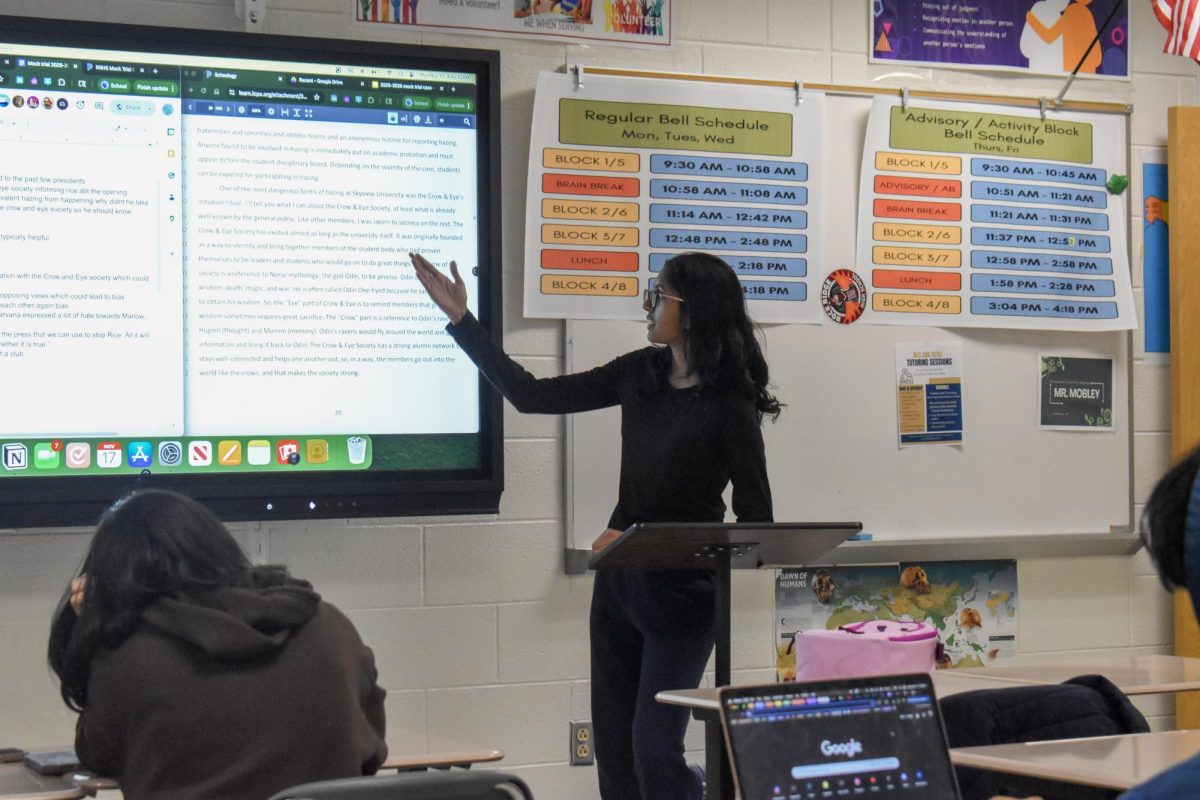












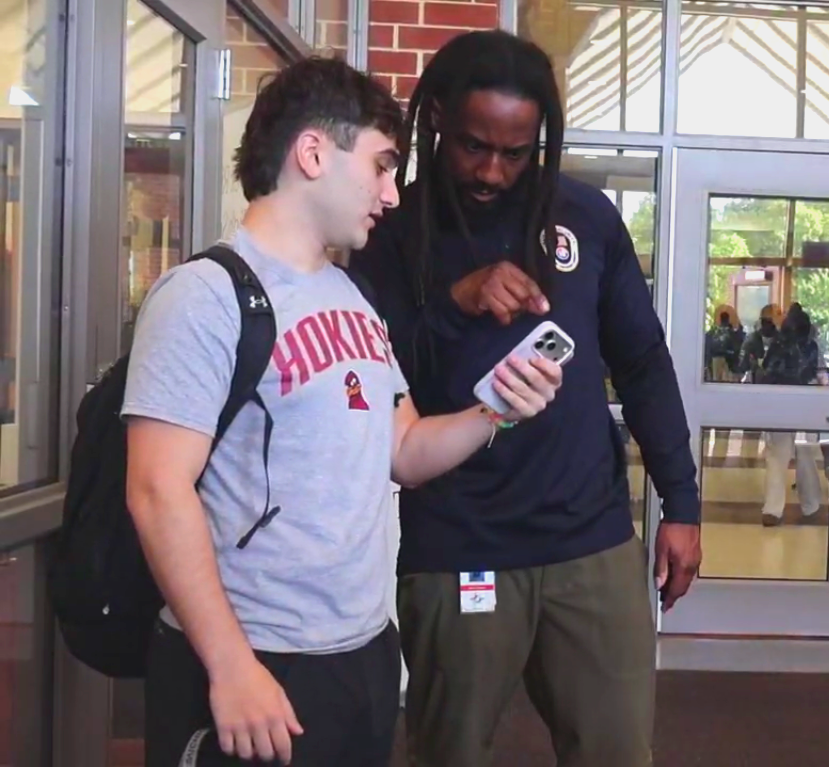
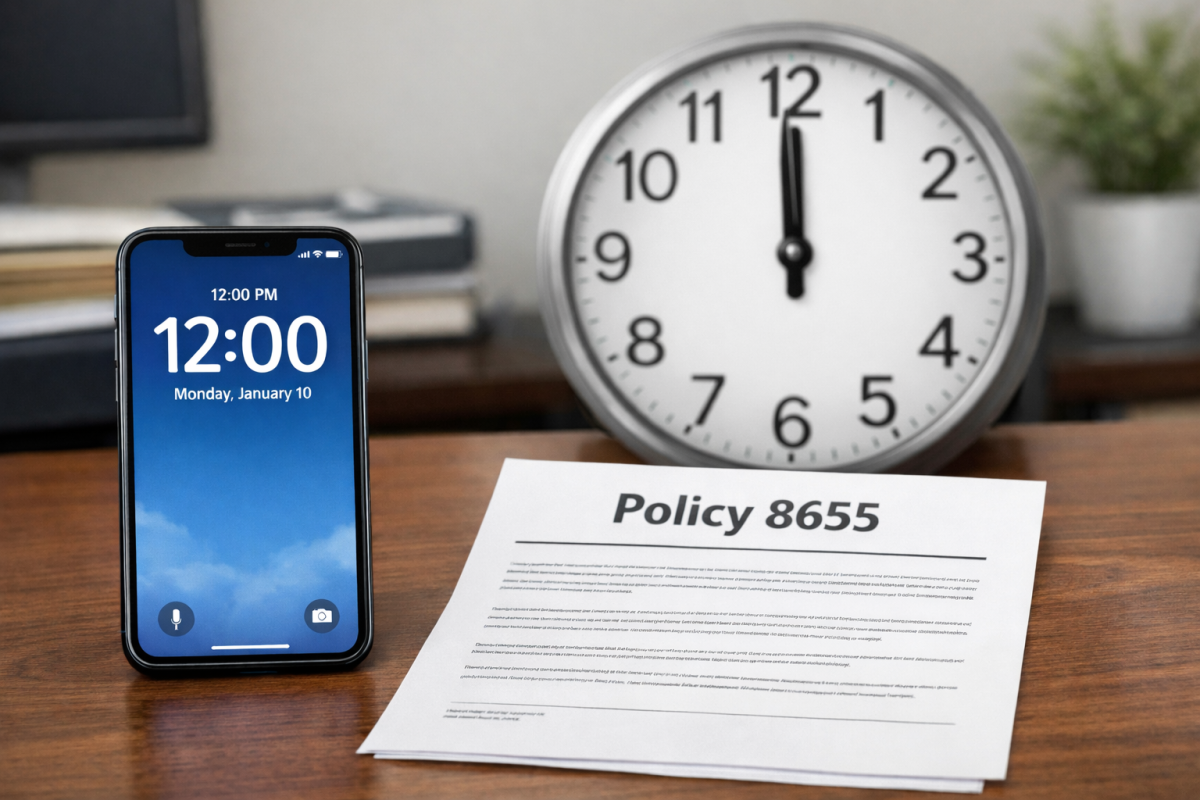


In 2025, Virginia’s General Assembly passed a bipartisan bill banning student smart device usage from the first bell of the school day to the last bell at dismissal time, a so-called “bell-to-bell” phone policy designed to eliminate phone distractions during class time. The law passed unanimously in both the state Senate and the House of Delegates, earning praise from lawmakers statewide. Yet the practical reality of this all-day ban, now codified in LCPS Policy 8655, threatens to erode student responsibility, ignore legitimate needs, and undercut well-established benefits of breaks and focused work cycles.
Supporters of the ban argue that phones impede focus and hurt academic performance. National data shows that a majority of schools restrict phones during class to reduce distraction, and many school leaders believe phones negatively affect attention spans and student mental health. However, restricting phones all day doesn’t address what students truly need to learn: responsible digital use.
Enforcing avoidance and preventing phones at all hours of the school day can stunt a student’s ability to self-regulate. Without opportunities to practice moderate, purposeful phone use throughout the day in structured break periods, students may resort to overusing their phones after school hours or in future workspaces. To make matters worse, a study conducted in the United Kingdom suggests that banning phones alone doesn’t automatically improve academics or well-being, and that students may find it beneficial to be taught to use their phone minimally during breaks for communication or organization.
Critics of the Virginia ban, including local Fairfax County School Board member Marcia St. John-Cunning, have highlighted real issues with a strict bell-to-bell rule. Students who work after school, tend to siblings, or need to manage family logistics often rely on their phones. Removing access all day can create real obstacles that they would have to navigate differently. This is a stark change for students with appointments, jobs, or even dependents to check in on because it hinders their ability to communicate efficiently with people outside of school.
Instead of outright banning smart devices, a more nuanced approach would allow phones for non-instructional times like lunch and breaks, which is what LCPS had allowed before taking those privileges away, too. By allowing students these breaks, schools allow for a balance between focusing during class and student autonomy and responsibility. They aren’t given that autonomy anymore.
Phones are not the only devices students are worried about losing access to. By restricting devices such as headphones that are commonly used to enhance studying amongst students, LCPS unintentionally throws out tools that may help learners stay engaged. Research shows that earbuds allow students to block out noise and manage stress better when studying or engaging in asynchronous tasks. Music, in particular, can improve mood, reduce anxiety, and even support motivation when used intentionally. Eliminating the use of phones or personal devices during study breaks or independent work periods unnecessarily throws out tools that may help learners stay engaged.
The goal of phone policies should be to build discipline instead of completely keeping students away from technology. Students today live in a digital world in which they need to learn how to integrate technology responsibly into their schedules while prioritizing the right things. Banning phones during class time is completely justified and allows for students to retain what they’ve learned, but keeping devices away during breaks is going too far. Technology should not be treated like a distraction to be erased, but rather as something that should be managed, especially because of how easily accessible it has become. Allowing phones during break times and recognizing their constructive uses allows for actual regulation. It is a more balanced, evidence-aligned path forward.