

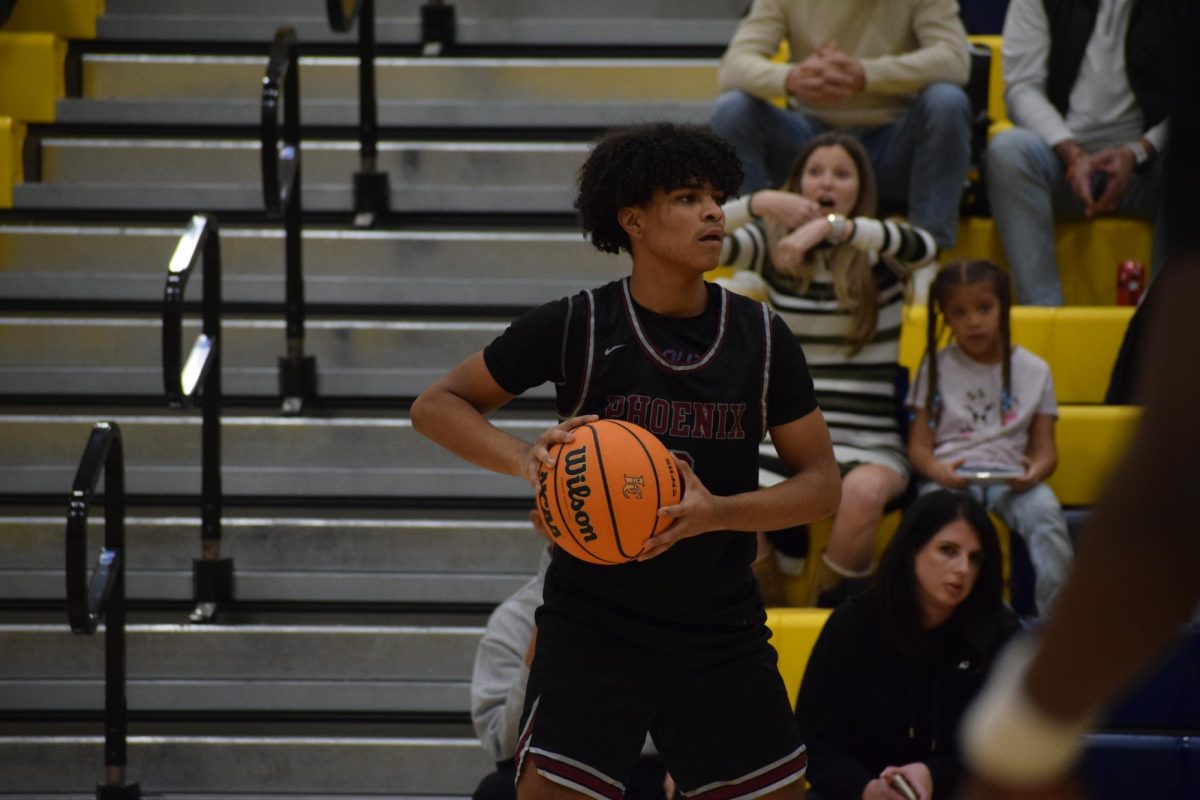
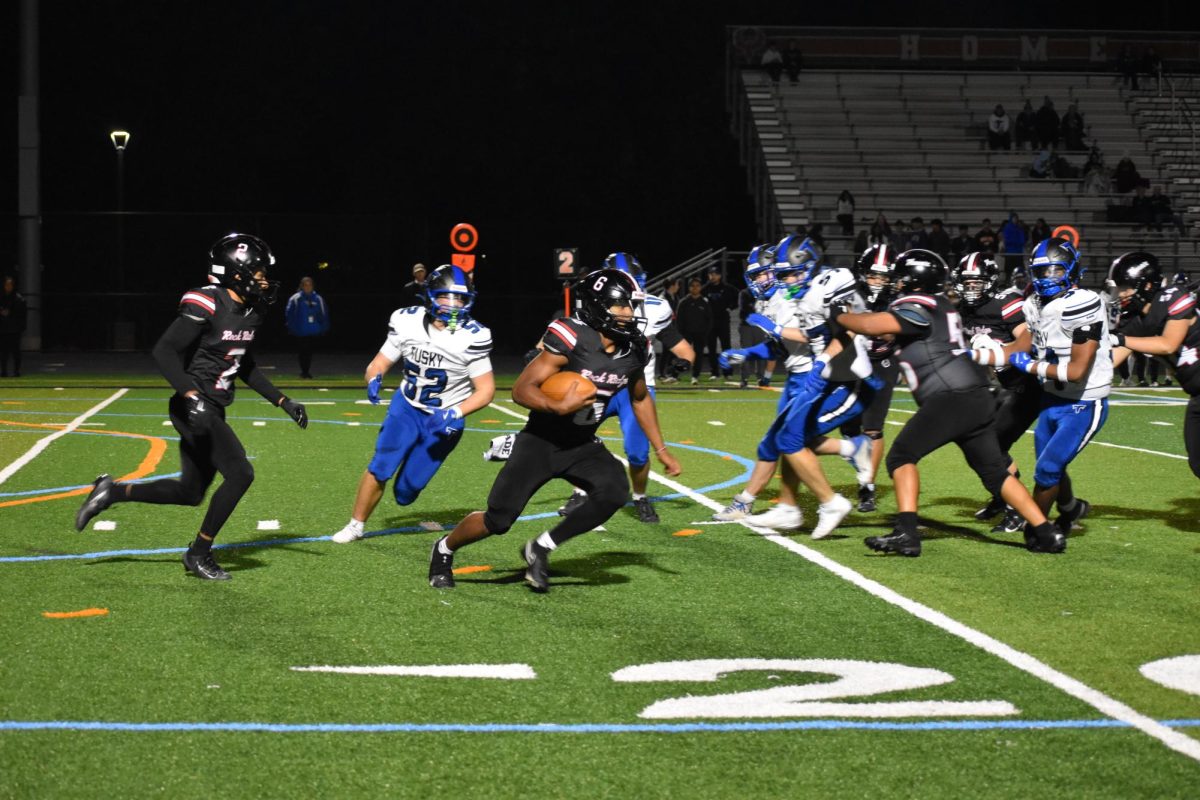
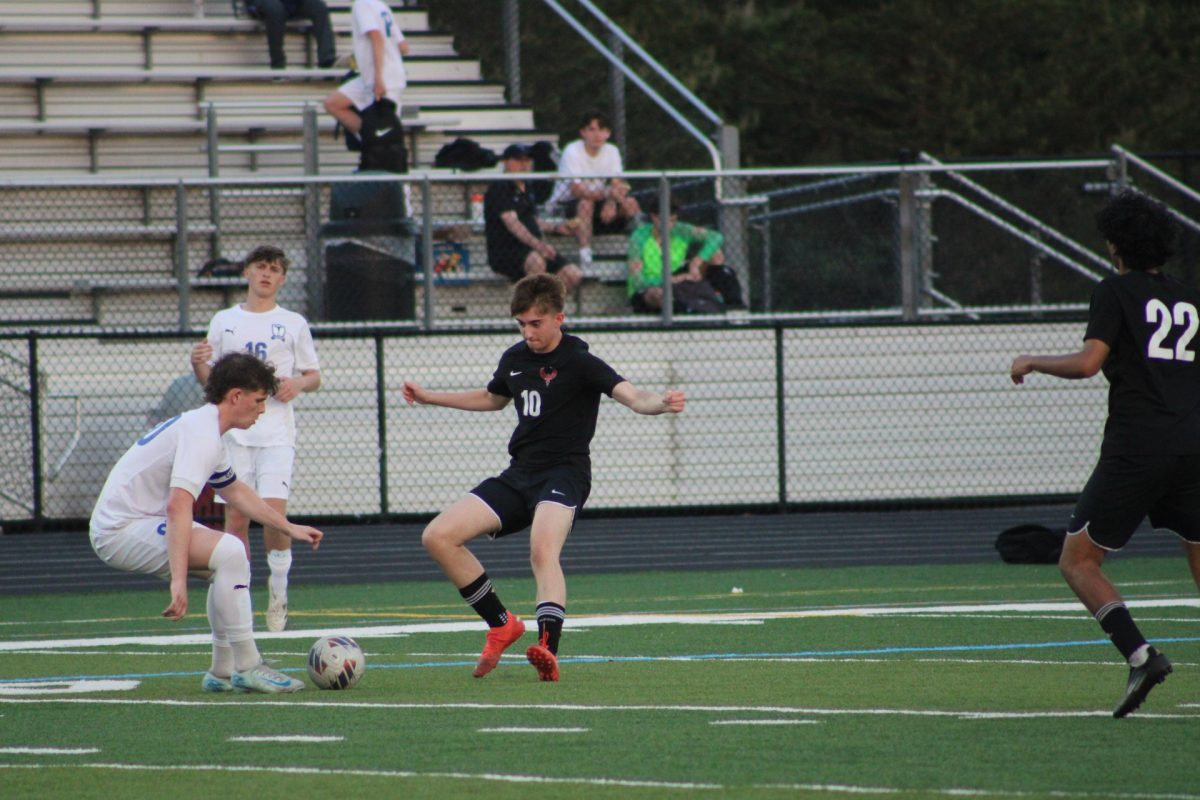
![Phoenix gets in position to initiate the beginning of an intense game. “It's coming to the end of the season here, so [our goal] is to just focus on working harder,” senior lineman Ryan Abbondanza said.](https://theblazerrhs.com/wp-content/uploads/2025/10/DSC_0042-1200x800.jpg)




















The following review contains spoilers.
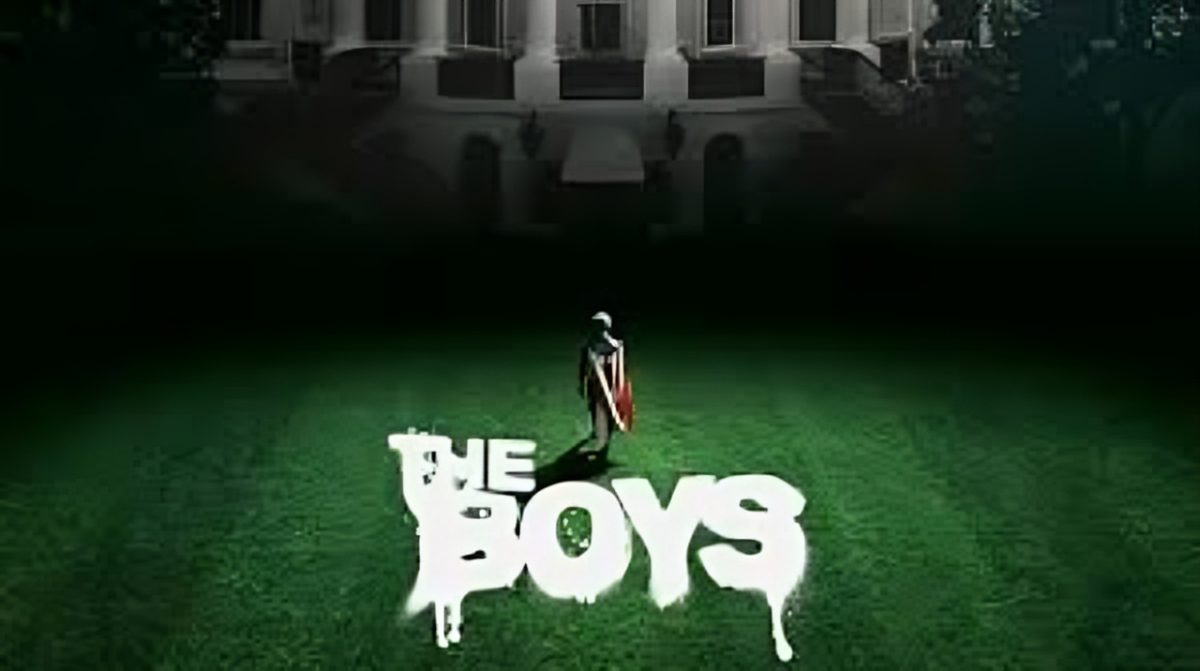
“The Boys” is one of Amazon Prime Video’s major hits, and it frequently ranks among the top ten streaming shows, having reached number one in 170 countries. Season five debuted with immense popularity, overtaking the previous season’s success of reaching over 55 million global viewers in its first 39 days. This season featured the highest rating in the series’ history with a 97% critics’ score.
Fans praise the show for its unique, dark, but satirical take on the superhero genre. The show follows a group of powerless vigilantes called “The Boys” who aim to take down the multi-billion dollar corporation ‘Vought International’ that manages corrupt superheroes– also referred to as “supes”– who abuse their powers and celebrity status. As the story winds down, Vought’s power reaches its peak with control of the White House, and as The Boys continue to forge their team for the conflict, we’ll soon see the two powers clash at their peak of their powers.
This clash is the endpoint made up of complex characters, creative brutality, and relentlessly engaging satire, bringing years of tension and moral conflict to a head in a way that feels chaotic and purposeful. While uneven pacing and occasional excess sometimes undercut its full impact, the show’s willingness to push boundaries and challenge its own characters ensures that it never loses its edge.
Even at its messiest, “The Boys” remains one of the sharpest and most worthwhile watches on television, offering a bold, unsettling, and compelling viewing experience.
One of the strongest but most controversial aspects of the show is its almost allegorical form of political satire of modern American politics, and this season continues that. The main antagonist of the show is a sociopathic, man-child reimagining of Superman called Homelander, who is often seen as an analogue for modern far-right populism, nationalism, and political fanaticism.
In season five, Homelander controls the United States, installing a puppet government. He seeks to achieve a total dictatorship over the entire world and become an unchallenged “god figure” of humanity by destroying all “non-believers” and reshaping society to fit his vision of “supe supremacy.”
In episode one, we follow three of the major boys, Hughie, MM, and Frenchie, imprisoned in one of Homelander’s “freedom camps.” Butcher, Annie, and Kimiko devise a plan to help them escape before their scheduled execution, but it turns out to be a trap set by Homelander to lure Butcher and Annie. At the end of the episode, A-Train dodges running into and killing a bystander, mirroring and reversing his actions from the pilot episode, which causes him to sustain injuries and is ultimately caught by Homelander. A-Train dies taunting Homelander, telling him that he’s nothing and attacking his fragile ego.
His tragic death fulfills his redemption journey from a reckless and selfish supe to a selfless character willing to sacrifice himself for others. Killing off one of the main characters in the first episode was a powerful move by the writers to raise the stakes and emphasize that no one is safe. The action in the episode was thrilling. Although these characters haven’t been on screen in two years, they came in guns blazing and ready for a fight. It set the tone perfectly for the rest of the season.
Episode two deals with The Boys testing a supe-killing virus on Rock Hard, a superhero whose skin is made of rocks and is a member of a teenage superhero team. The team grapples with trauma and struggles with their morality of potentially killing all Supes, including Kimiko and Annie, while trying to defeat Homelander. We see an increasingly unstable Butcher, willing to kill millions of people to fulfill his vengeance. The Boys’ plan to test the virus goes wrong with the reemergence of Soldier Boy, Homelander’s biological father.
The return of Soldier Boy was interesting to see, and the complicated dynamics between him and Homelander brought a new level of intrigue to both characters. The episode did a good job of showcasing what Butcher is slowly becoming. His obsession with vengeance drives a wedge between him and the rest of his team, and it will be interesting to see the future of his character, especially with the fact of his terminal illness. This plot may potentially lead to him becoming a fully realized antagonist with “nothing to lose” or coming to his senses and ultimately choosing the greater good of his team over his vendetta against Homelander.
Starting episode three, The Boys find out Soldier Boy survived the attack, and they immediately launch into finding out why this has happened. They come to the conclusion that this is due to the V1 in his system, but it is believed that all copies and carriers of V1 were destroyed, as a final solution is to pay the former CEO of Vought, Stan Edgar, a visit.
We are reintroduced to Ryan, the son of Homelander, showing his true power and potential to turn into his father. The Boys reach Edgar’s safehouse with hopes to learn about V1, reaching Vought’s old files on V1 and their testing center, Fort Harmony, which is full of redactions. During all this, Ryan pays Homelander a visit, which doesn’t end well at all.
Honestly, this episode felt pretty slow and a little anticlimactic. The highlight of it was seeing Ryan again and how much he’s grown and developed his powers. As always, Anthony Starr’s portrayal of Homelander is chilling, terrifying, but also sensational. His facial expressions alone tell an entire story of his character. At the end of the episode, we see Ryan being beaten up by Homelander, who has a cold look on his face that conveys anger, sadness, and mercilessness all at once.
During the fourth episode, The Boys reach Fort Harmony, but unbeknownst to them, Homelander and Soldier Boy are there as well. Due to a chemical being released into the air by a supe locked in Fort Harmony, this drug created an atmosphere promoting physical violence, leading to a four-way brawl between Butcher, Kimiko, MM, and Hughie, but due to Frenchie’s drug addiction, he wasn’t affected.
This episode felt a lot different from the others in the sense that it leaned into a horror element. We saw a different and more vulnerable side to Soldier Boy’s character that strayed away from his self-centered, macho persona, which added a lot of depth. The episode developed the overall lore and history of Vought in a new way. The writers tried something new and different, and it definitely paid off.
Through the first four episodes, the story has unfolded in a way that reinforces the show’s consistent themes while maintaining its high stakes and thrilling action. From one of the first twists of the season, Kimiko gaining her voice, varying father-son dynamics, to a shockingly graphic scene with a worm-powered supe, the show has built a terrifying reality that in some ways mirrors reality and sets the stage for the characters to have intense conflicts, whether it’s with the antagonists or the conflicting ideologies within the team.
The show has done something unique by creating this world that is so different from ours, with its scale of grittiness and wacky characters that also act as a warning. While the show has done an amazing job with concluding previous storylines, it has also become quite chaotic with its introduction to new elements, twists, and characters so late in the show, some of which feel rushed and unnecessary. As the final clash becomes imminent, the show leaves much to wonder: who will die, who will survive, and who will win?
The fifth episode of the final season will be released on Wednesday, May 6.