

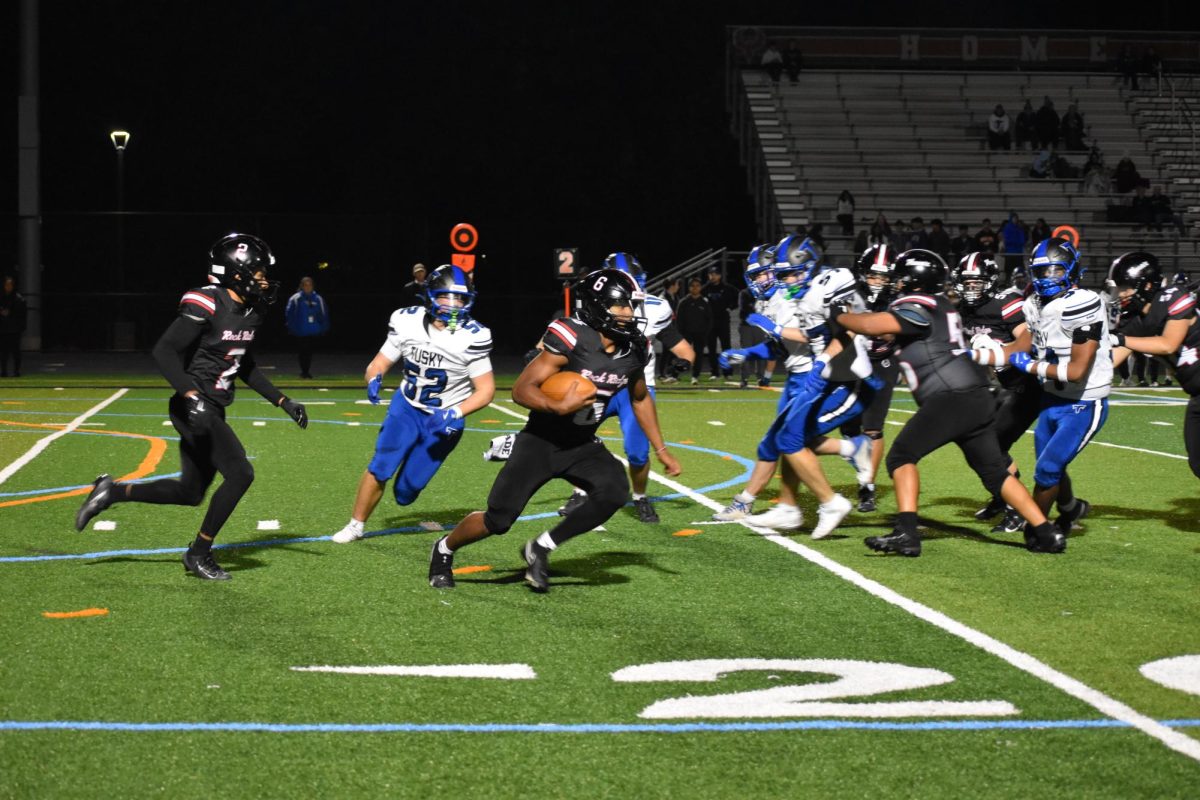
![Phoenix gets in position to initiate the beginning of an intense game. “It's coming to the end of the season here, so [our goal] is to just focus on working harder,” senior lineman Ryan Abbondanza said.](https://theblazerrhs.com/wp-content/uploads/2025/10/DSC_0042-1200x800.jpg)
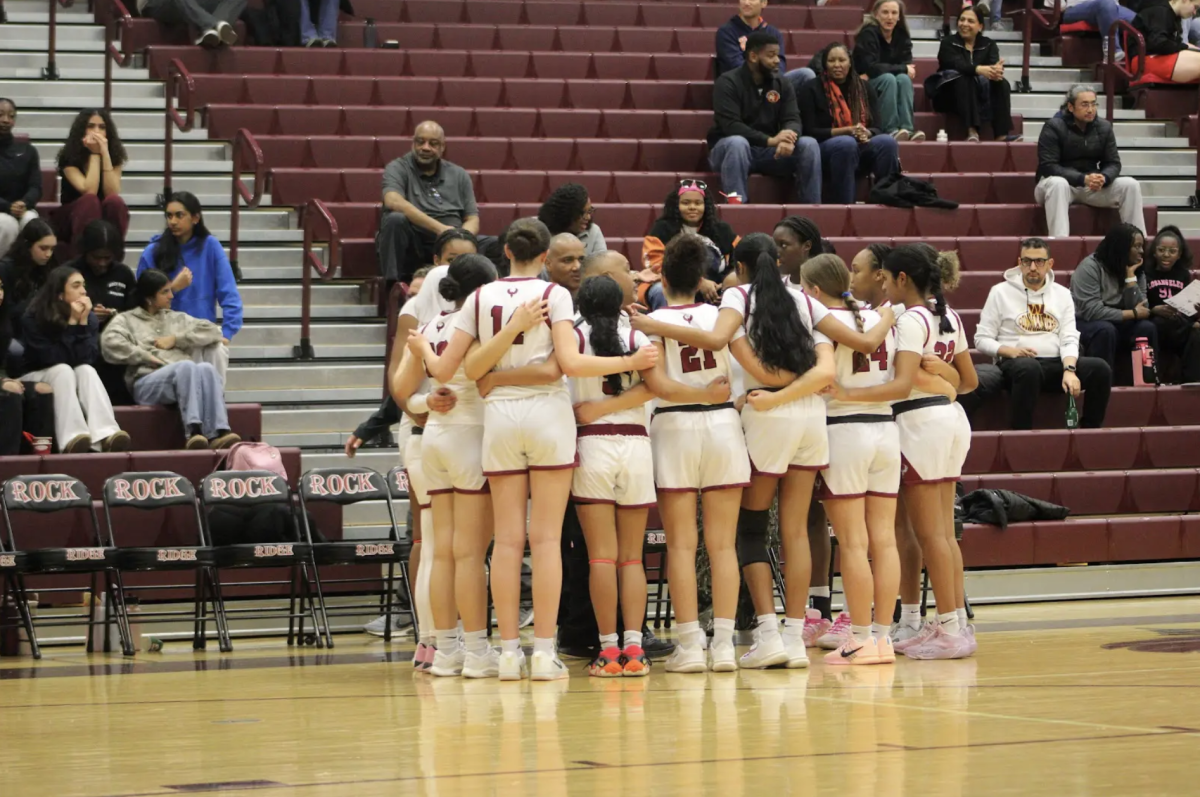
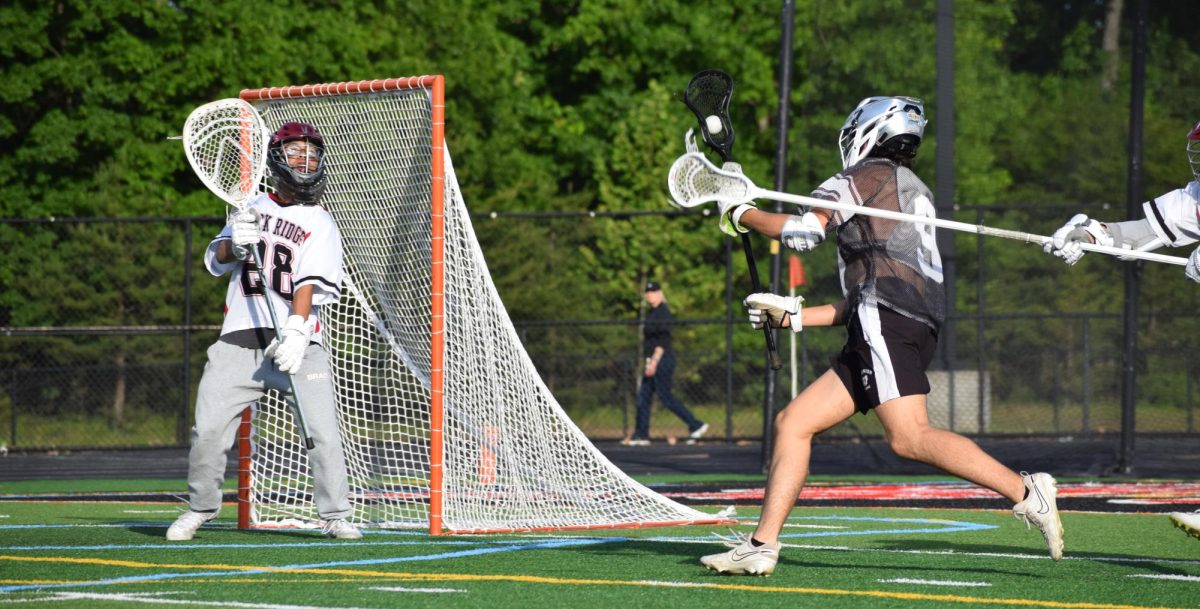
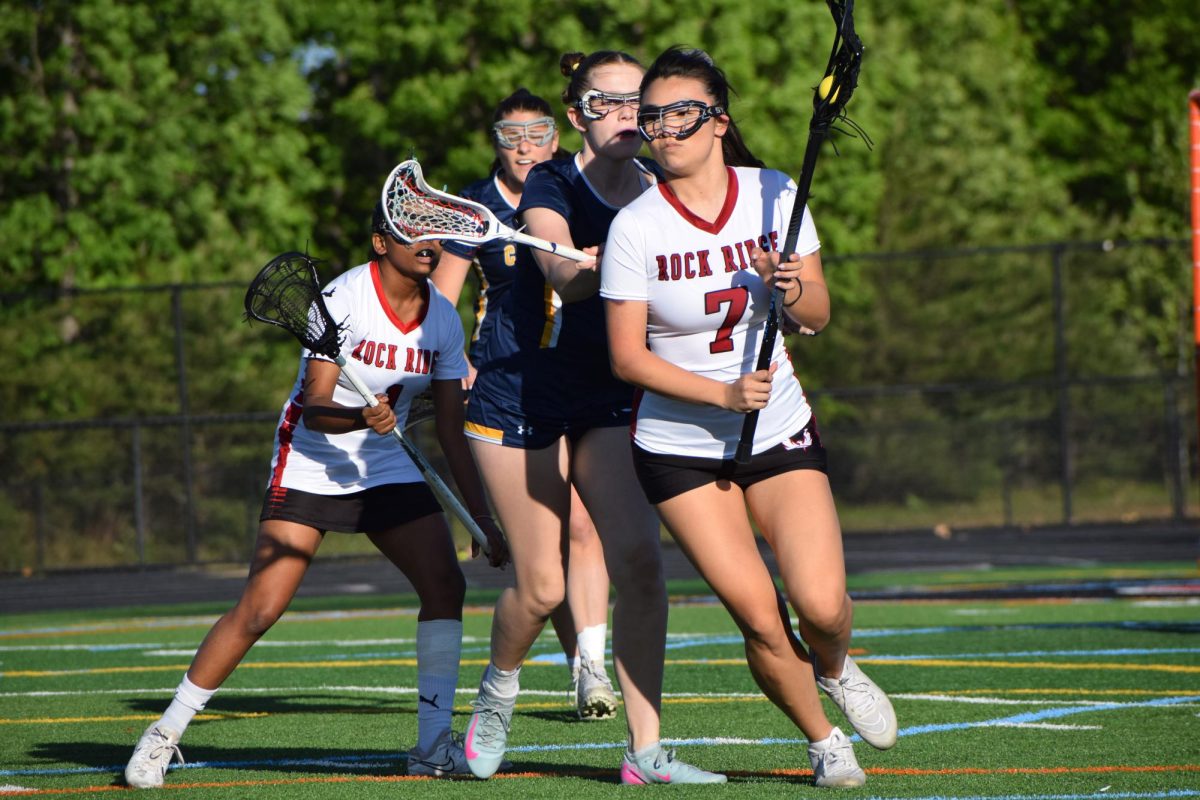
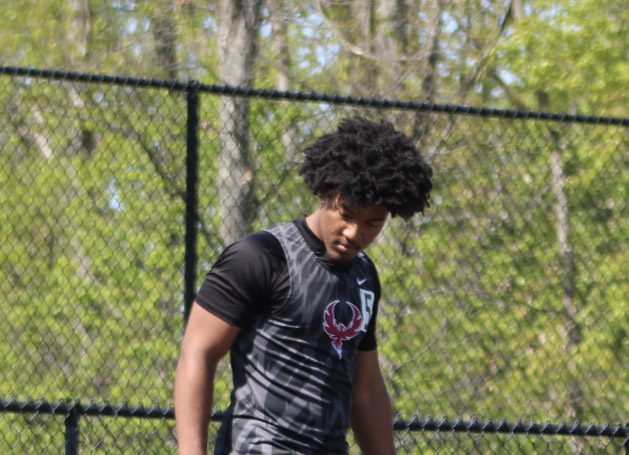
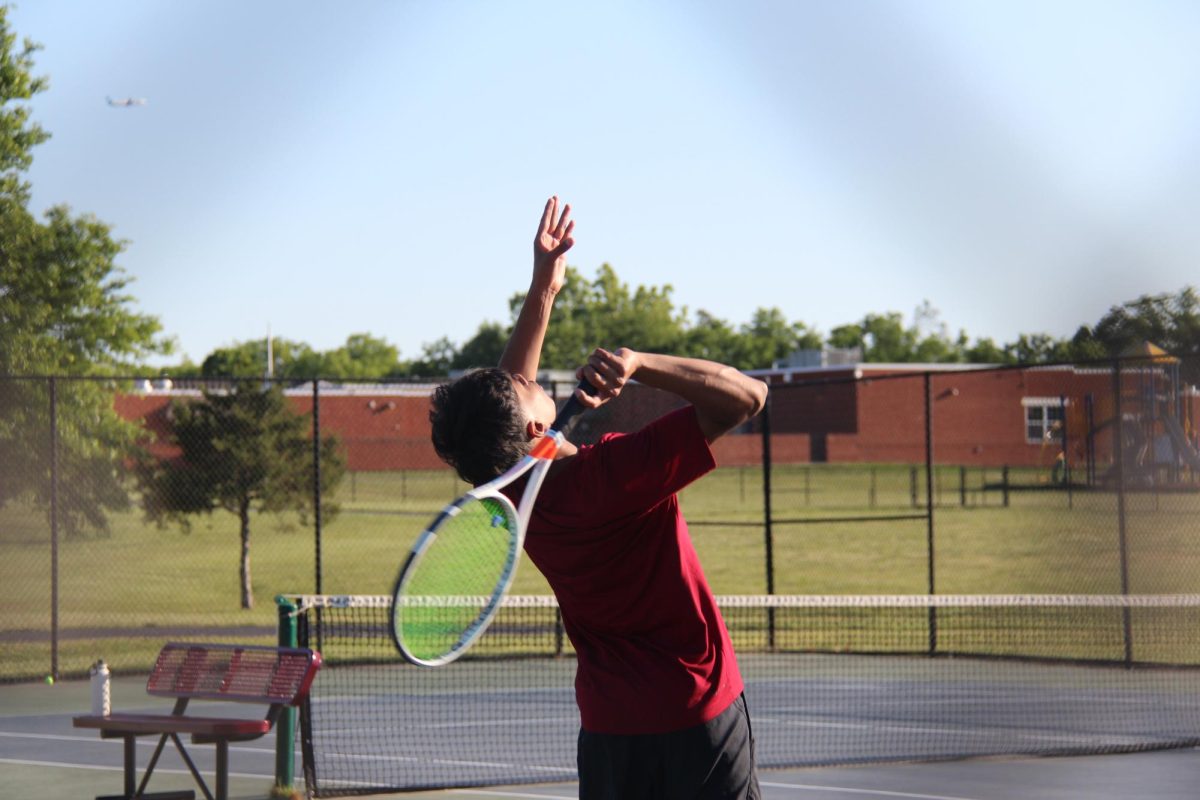
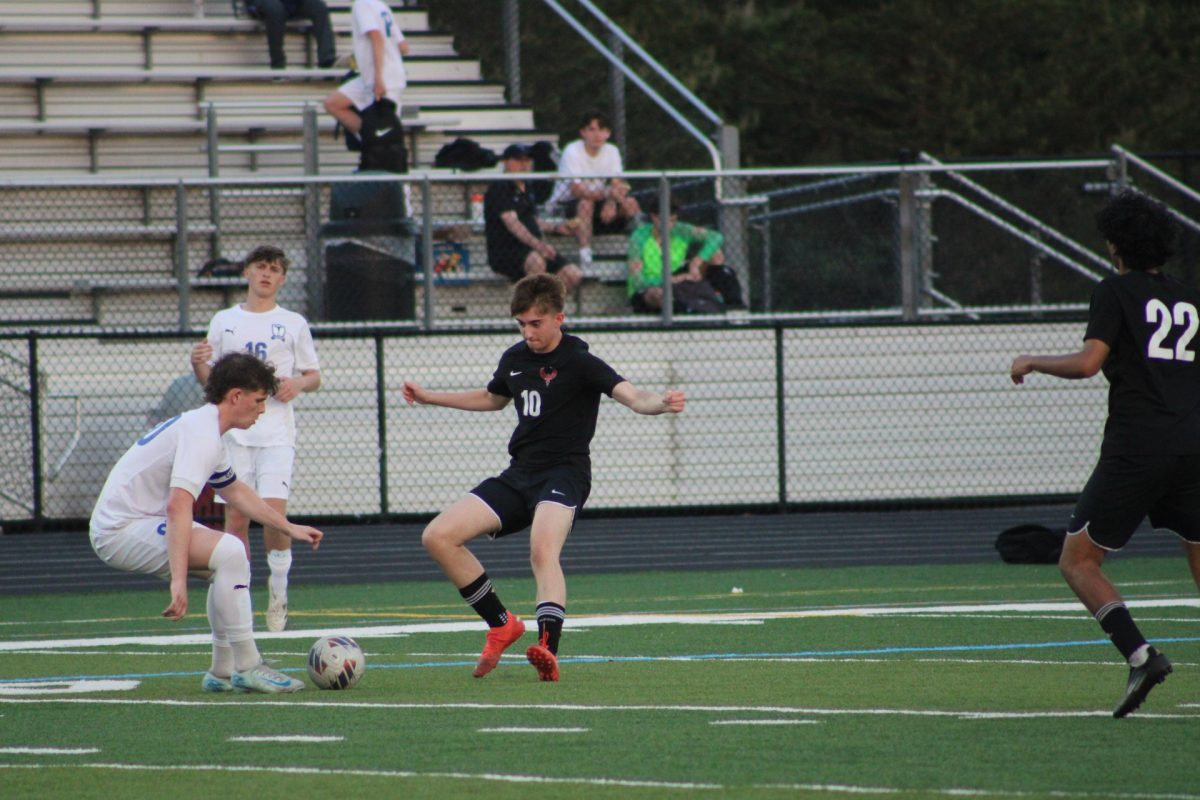
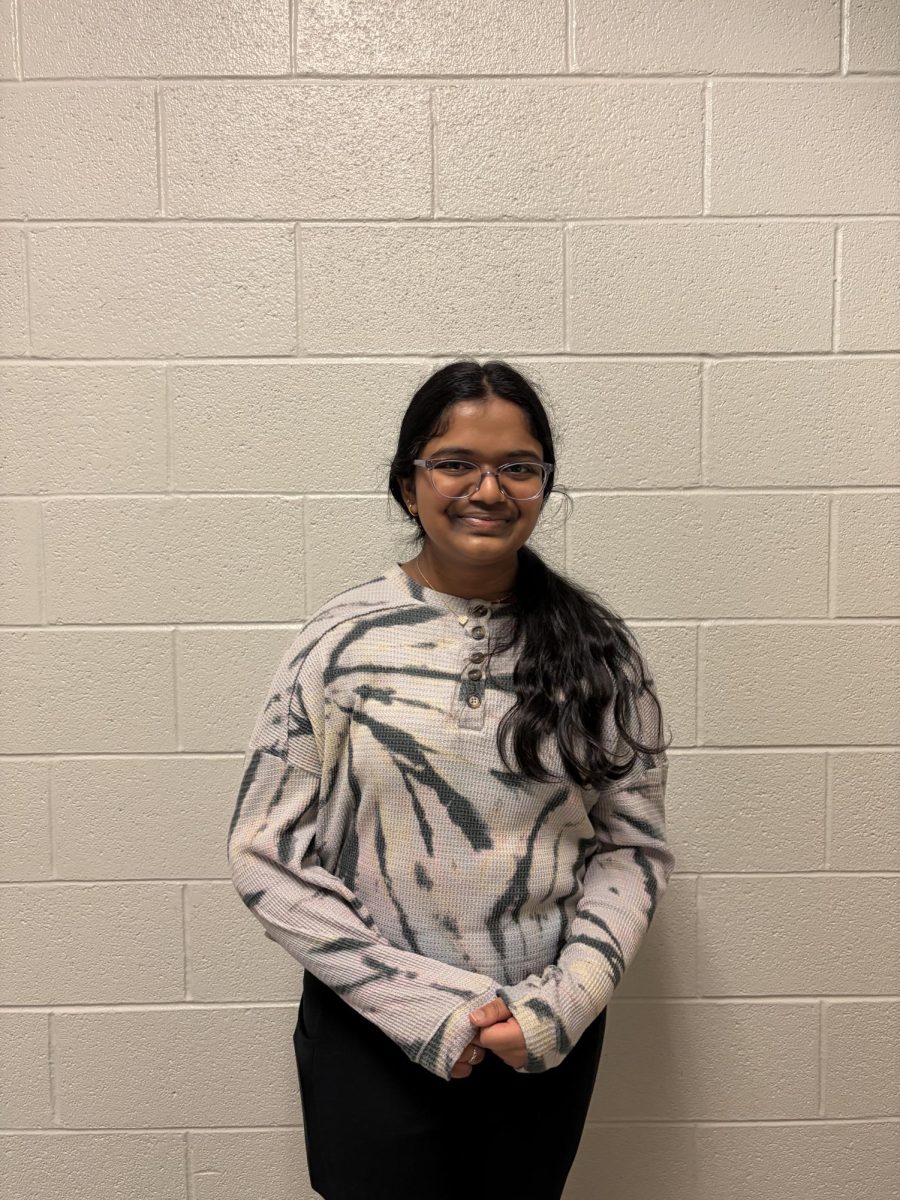


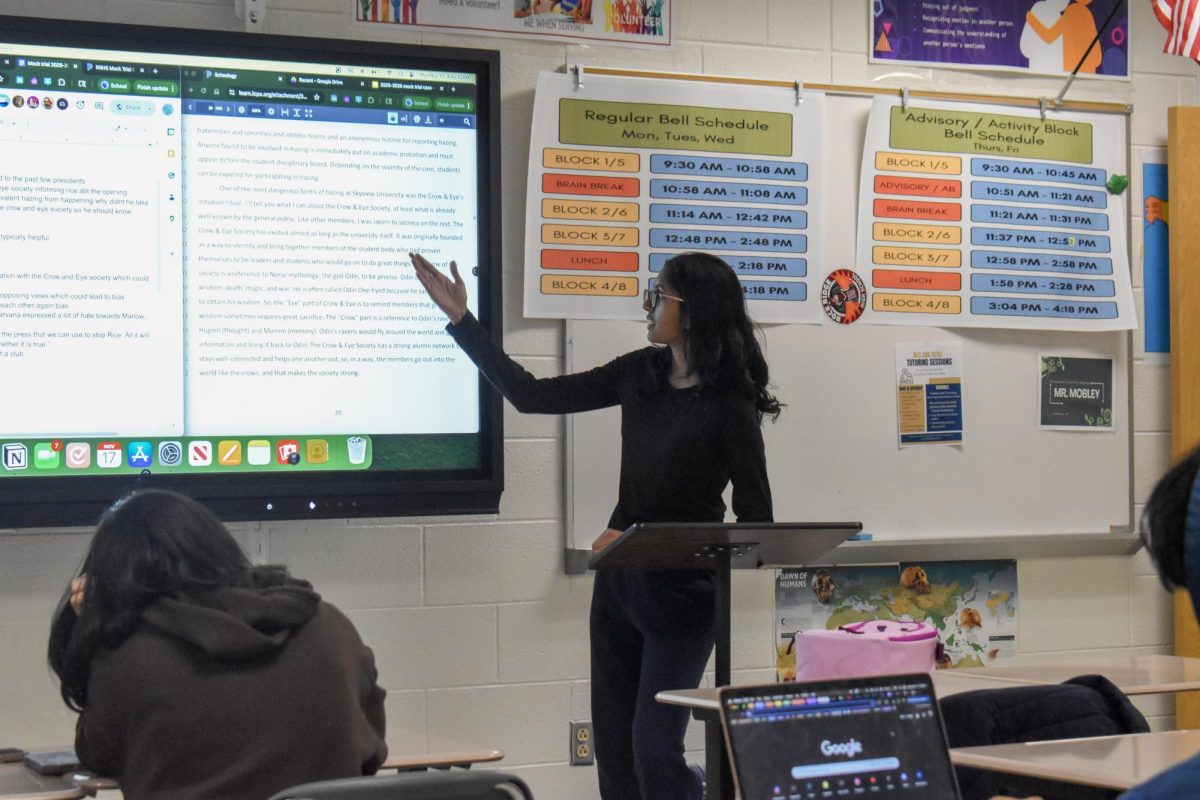














By the time soccer practice ends, it has been over 12 hours since junior Zaid Azam last had a sip of water or a bite of food. While the other players reach for their bottles, Azam reaches for his bag, checks the time, and waits.
For several Rock Ridge Muslim student athletes like Azam, Ramadan is a defining part of their season.
The Holy Month of Ramadan entails thirty days of fasting from sunrise to sunset – and for student athletes this spring, it means pushing through hours of practice after a full day of school with no food or water in their system.
For many student-athletes across the country, that commitment is met with inconsistent support. A 2024 study of Muslim collegiate athletes found that extrinsic support was often limited, citing scarce resources, little consideration for Ramadan in athletic scheduling, and a lack of knowledge and understanding by others.
At the high school level, Oregon Public Broadcasting exposed concerns for athletes who competed without food or water, with one student saying that she was not able to play soccer one season during Ramadan because it was “way too hard.”
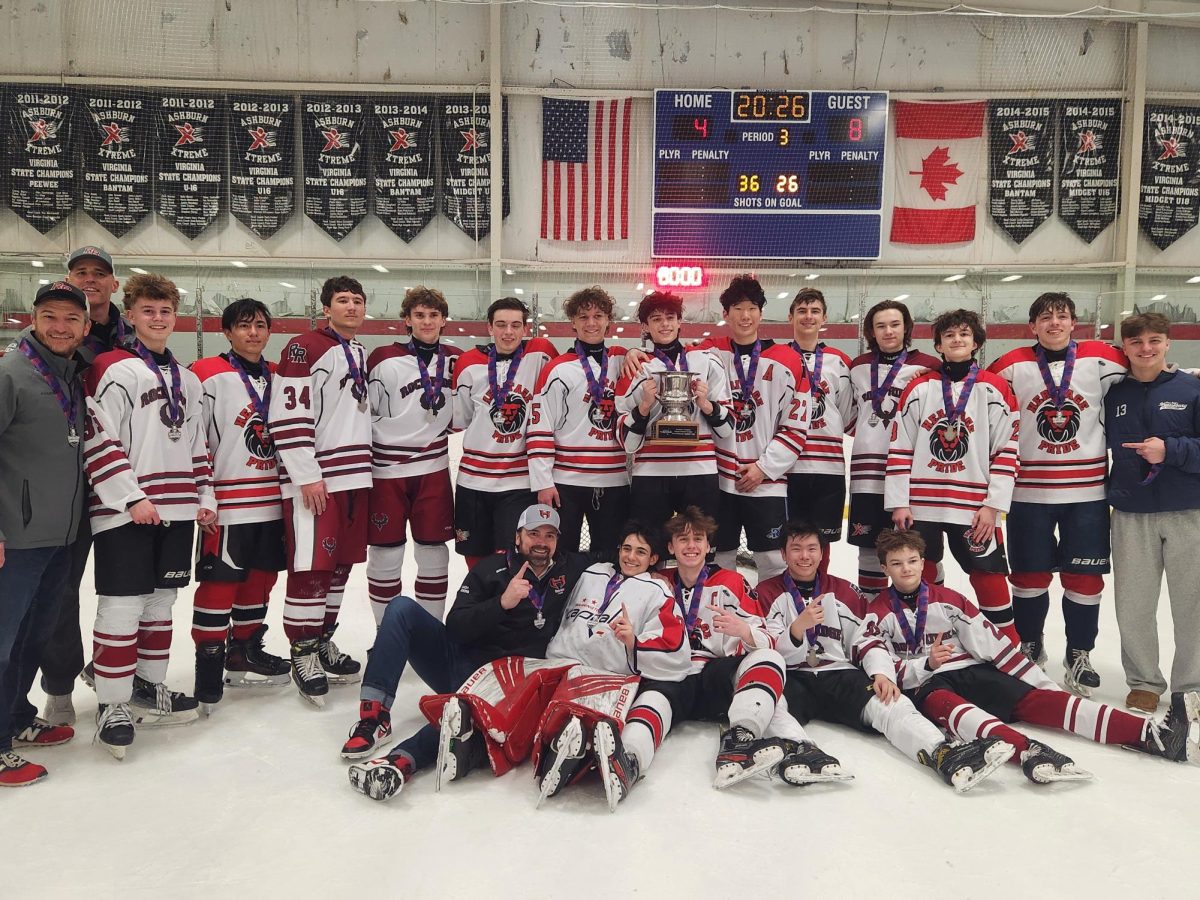
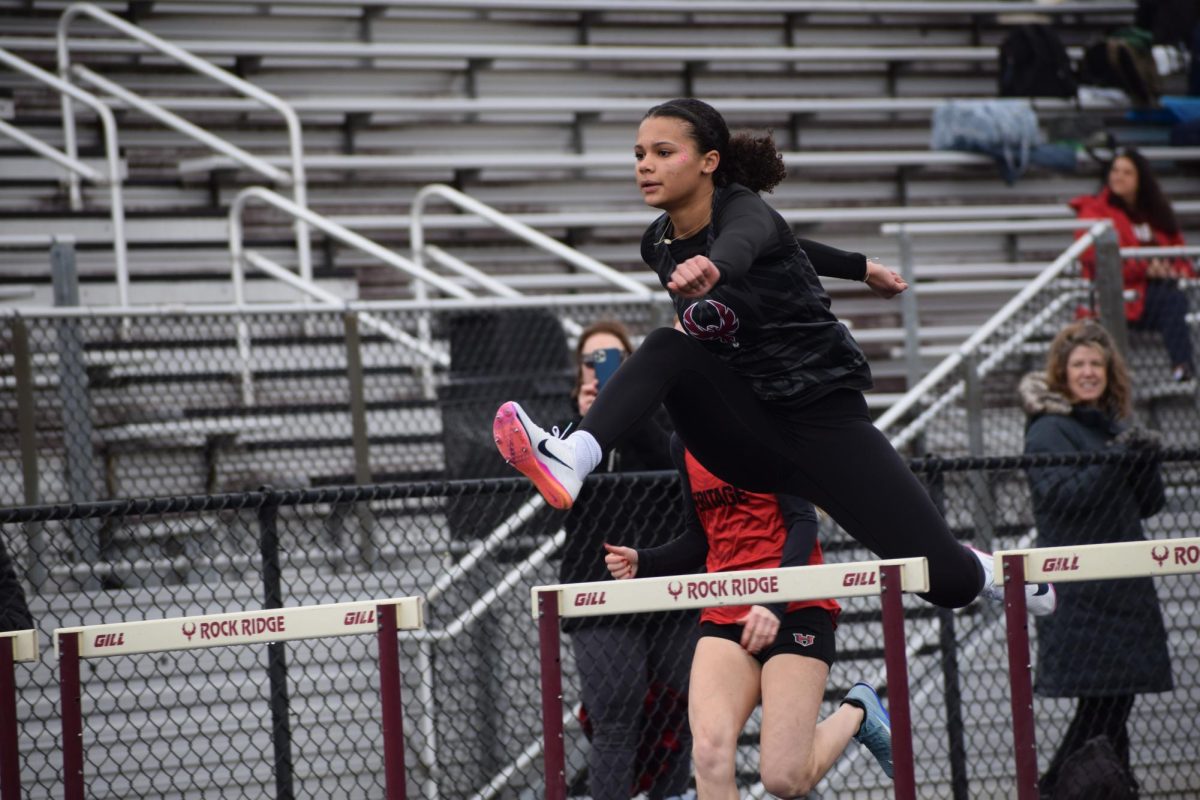
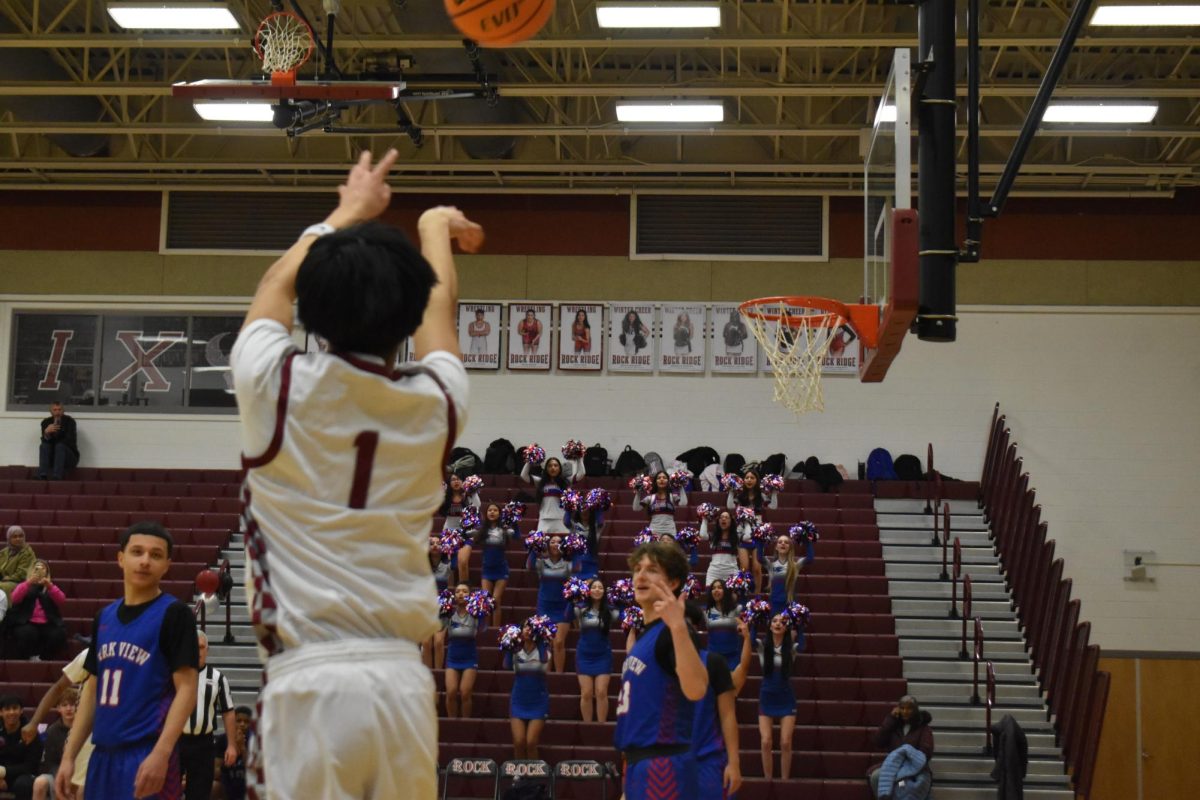
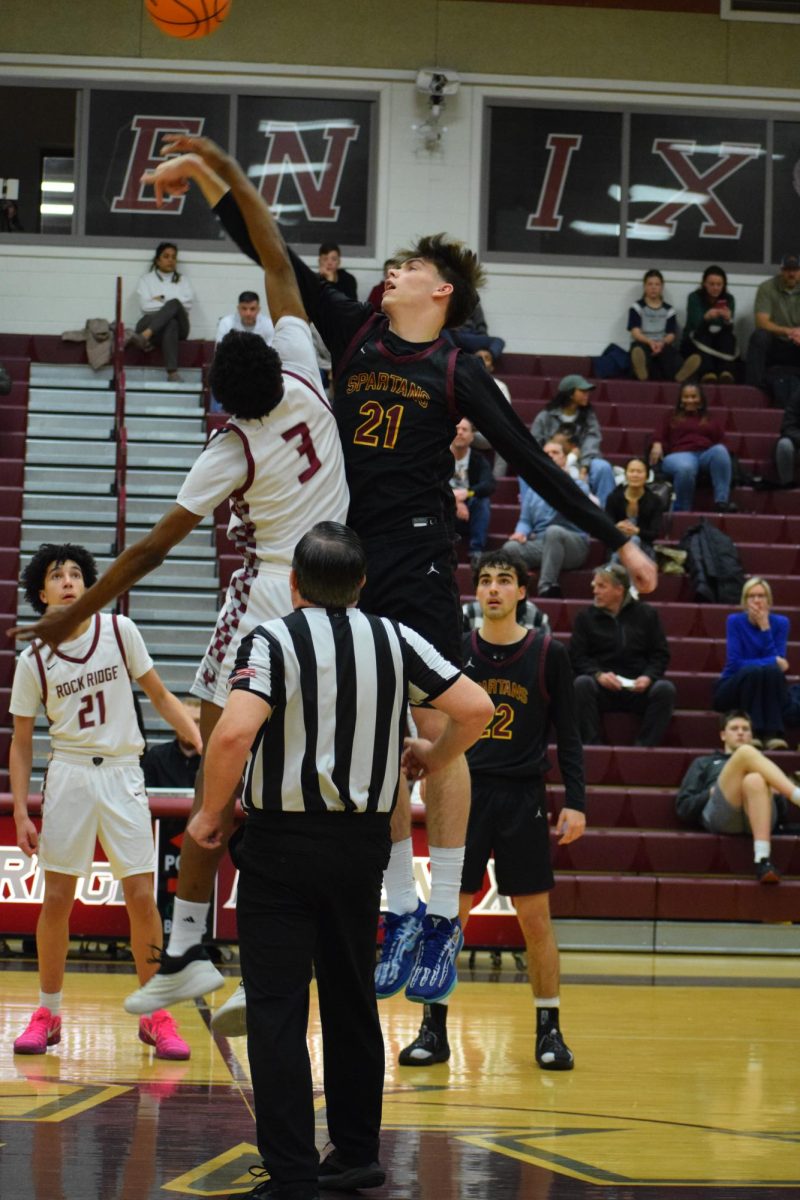
At Rock Ridge, however, that experience looks a little different. The understanding and inclusivity across various spring sports have left fasting athletes more supported rather than drained.
“If I ever need to sit out, [my coaches] let me take a break, and when it’s time to break my fast and if we have a scrimmage, then they usually have water for us or some dates,” Azam said. “[My coaches are] all understanding. They always communicate. If [my teammates] see me trying to get in the shade or something, some of them will actually put their body in front [of mine] so [there] can be shade.”
Junior Ismail Ahmed, a varsity baseball player, receives similar support from his teammates. “My teammates, especially the ones who are seniors and juniors, are very understanding,” Ahmed said. “They kind of will check in on me after conditioning, [to] make sure I’m okay. I’m lucky to have great teammates always checking on me.”
During games, senior Leilah Kafumbe, a varsity soccer player, is appreciative of the aid she receives while competing. “Our coach is definitely very supportive of [us fasting],” Kafumbe said. “He’ll ask, since the time changes every day, what time we’re breaking our fast so he can let the refs know ahead of time to make sure that we’re breaking our fast at the right time. Our team and county have given us a lot of support when it comes to [fasting] because the [referee] will stop the game in order for us to break our fast before we can continue, so I definitely do feel like that is a nice accommodation to have.”
That understanding is often rooted in direct communication between athletes and coaches. “We have a very good open line of communication, so I tell players, ‘Hey, hey, talk to me,’” girls’ soccer coach Luis Hernandez said. “‘Let me know if there’s anything you need from me.’ A lot of players will tell me that they need a rest because of their fast and they’re getting too exhausted or dehydrated, which I will then honor and tell them [they] can go take a break. I usually adapt training sessions based on that as well. [The girls are] pretty supportive of each other, so they understand what they’re doing.”
This transparency, according to LCPS Director of Athletics and Extracurricular Activities Derek Farrey, is vital for an athlete’s success when fasting for Ramadan.
“If we know in advance that our students are participating in Ramadan and they’re fasting, we could be monitoring them for a number of things,” Farrey said. “Like, are we seeing them overly fatigued, sluggish? We can modify the intensity of the practice, but during competition, you can’t really modify the intensity because you’re trying to compete in a game, so the importance is having those conversations upfront [and having] constant communication with the parents, the athletic trainers, the coaches, and the student athlete. The only time there’s a gap [in support] is when there’s no communication. If we’re not made aware of it, then we can’t address it.”
At Rock Ridge, communication easily flows between students, families, and the athletic department, especially with athletic trainer Cole Powell, who provides nutrition advice for fasting.
“The coaches sometimes come to me and [are] like, ‘Hey, I have a couple of players that are fasting; do you mind going [over] what they can do when they get home, things to do to recover?’ So the coach will either ask me to [explain], [or] kids will come up and ask me as well,” Powell said. “I try to tell kids that if they can wake up a little bit earlier [and] try to focus on getting fat and protein into their [bodies], that’ll help them stay satiated so they don’t feel hungry as much. I talk to them about appropriate amounts of hydration and what [they] have to get [before and after fasting].”
In addition to open communication at Rock Ridge, LCPS School Nutrition Services also offers support for students who are fasting. Athletes observing Ramadan can request a “to-go” meal so they can eat after sunset. “Some of our teams don’t practice until eight or nine o’clock at night,” Farrey said. “That means sunset’s going down. They could have this to-go meal to use when they open their fast.”
With many Muslim student athletes at Rock Ridge receiving a strong support system from LCPS and the athletic department, some believe it may be due to the diverse and inclusive nature that Rock Ridge stands out for.
“[Rock Ridge] looks like what places look like around the world, and so we have all kinds of diversity, whether it comes to religion, race, ethnicity, [and] athletic talents,” Rock Ridge Assistant Athletic Director Michael Mullins said. “I think that’s good [for giving awareness to coaches about Ramadan]. You get to know your student-athletes and all of the different things about them, [and] you develop these personal relationships [and] learn about what they need and what’s going to help them succeed.”
The high diversity that Mullins believes shapes the athletic environment at Rock Ridge is reflected in enrollment ethnicity data from the VDOE.
Based on the enrollment data in 2024-2025 from the VDOE, Rock Ridge High School has high racial and ethnic diversity.
Hernandez finds that the players on his team embody the accepting nature of Rock Ridge. “[The girls’ soccer players] are all very understanding of [Islam],” Hernandez said. “They’re all very open about this process, and they’re all open about helping each other out and supporting each other. When it’s time for them to break their fast or to go pray, there’s no if, ends, or buts as to why this person gets it. They understand what they’re going through, and they’re understanding what they’re doing, so they’re very respectful to that.”
Softball coach Paul Koch believes that Loudoun County’s cultural awareness is what significantly bolsters support for fasting athletes.
“[Loudoun County] is really good about [supporting fasting athletes] by having a school holiday on Eid, [and a] no-competition date on Eid,” Koch said. “Those things raise the awareness of the whole community. I’ve worked in other places where those aren’t part of the community conversation. At one point in my career, I would have probably not thought to ask if a student was fasting because it wasn’t part of my experience or the experience of what was happening in our community. Here, I’m really proud that our community puts those things forward so that you can discuss it. I think that’s what coaches need to embrace.”
Indeed, LCPS’ commitment to inclusivity is rare when compared to school calendars state wide. Based on the 2025-2026 student calendars from all 132 school divisions in Virginia, only 14 divisions recognize Eid al-Fitr as a student holiday, meaning LCPS is among the 10.6% of Virginia school divisions that close schools for observance of Eid.
The shared understanding and knowledge about Ramadan have allowed students to be supported not just in physical health, but feel as included as possible on their team. “My coach usually gives out snacks, but if somebody’s fasting on the team, he won’t,” junior Aleeza Tabasam on the varsity softball team said.
Similarly, Kafumbe appreciates the extra consideration her team gives her. “Sometimes after practice we do team dinners, and if we haven’t broken our fast, [the coaches will] maybe say, ‘Oh, we’ll just do team dinner after a game or something because games end later, and our fast would’ve been broken by then,” Kafumbe said.
As the athletic program continues to grow at Rock Ridge and as cultural recognition of Islam becomes more widespread, the Rock Ridge athletic department will continue to support their fasting athletes. “I think just in general, our community is very accepting and supportive, and we live in a very diverse area,” Powell said. “Within the athletic training program at LCPS, our goal is always to help all of our athletes, no matter what background they come from, what religion they are, what color they are, and we want to help them optimize their performance and make sure that their health and safety is paramount.”
This spring, as the sun dips below the Blue Ridge mountains and long shadows creep across Rock Ridge’s campus, several student athletes will finally reach for their water bottles, breaking a fast they’ve maintained all day – even through practice. For Azam, that moment comes after another day on the wing.
He takes a sip, zips up his bag, and heads home.
Tomorrow, the routine will repeat. But if he needs a break, his coach will give him one. If he needs shade, his teammates will block the sun. And if he needs support, the athletic department will champion his needs.