


![Phoenix gets in position to initiate the beginning of an intense game. “It's coming to the end of the season here, so [our goal] is to just focus on working harder,” senior lineman Ryan Abbondanza said.](https://theblazerrhs.com/wp-content/uploads/2025/10/DSC_0042-1200x800.jpg)




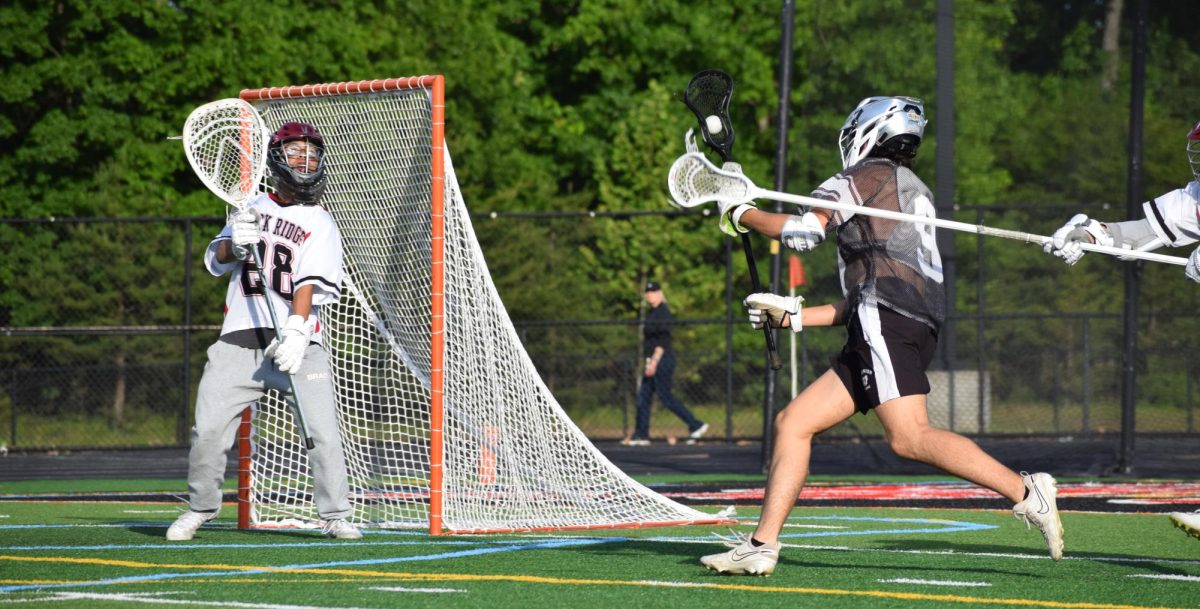
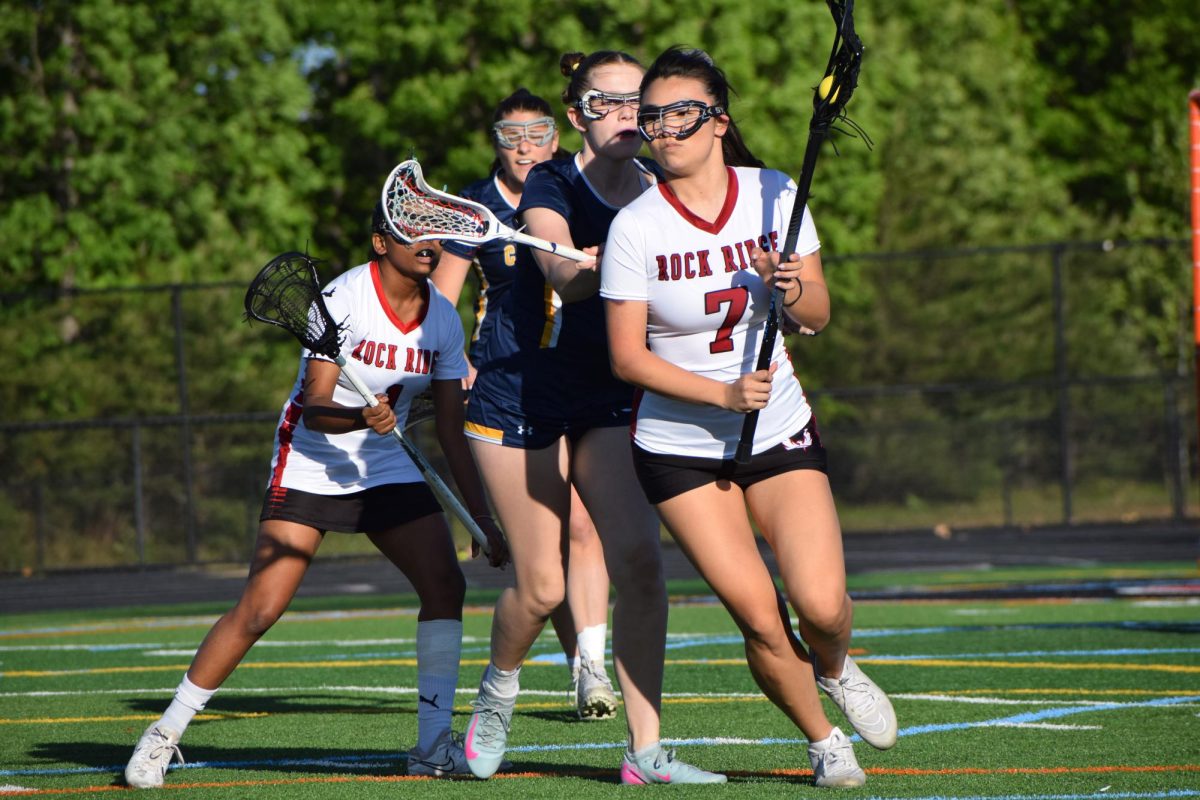

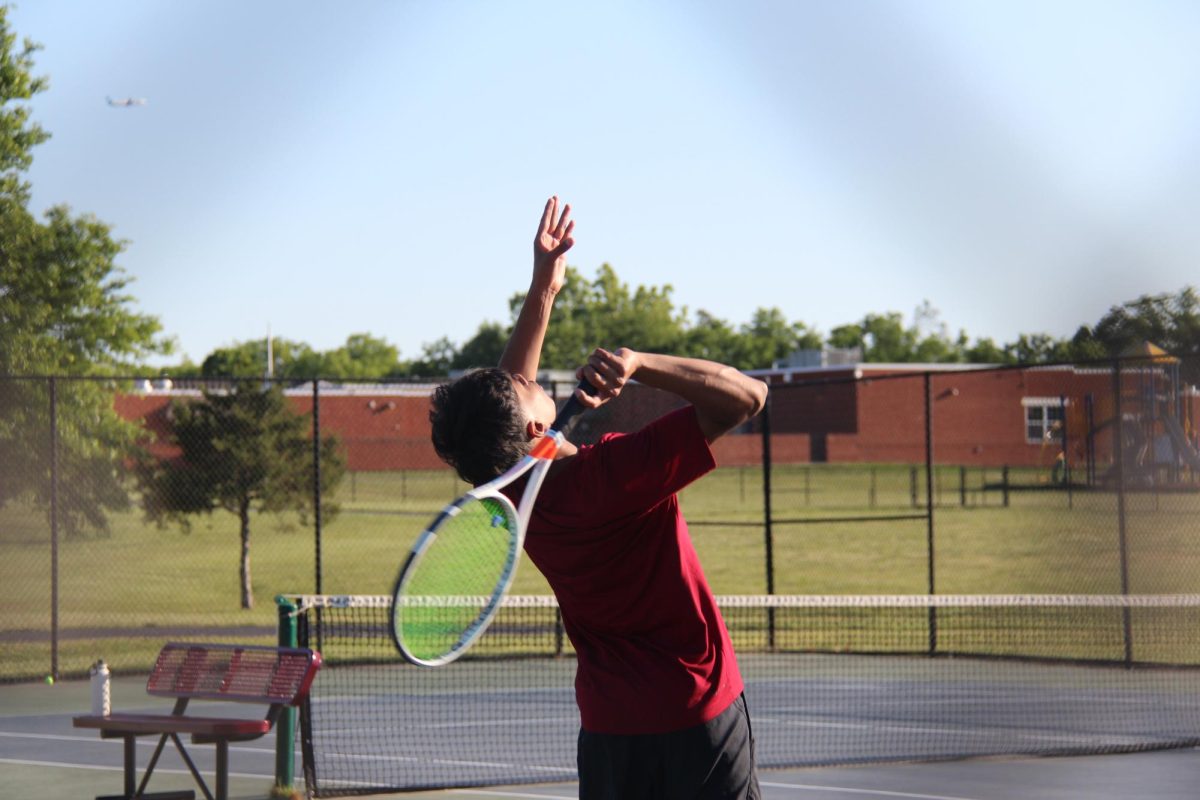
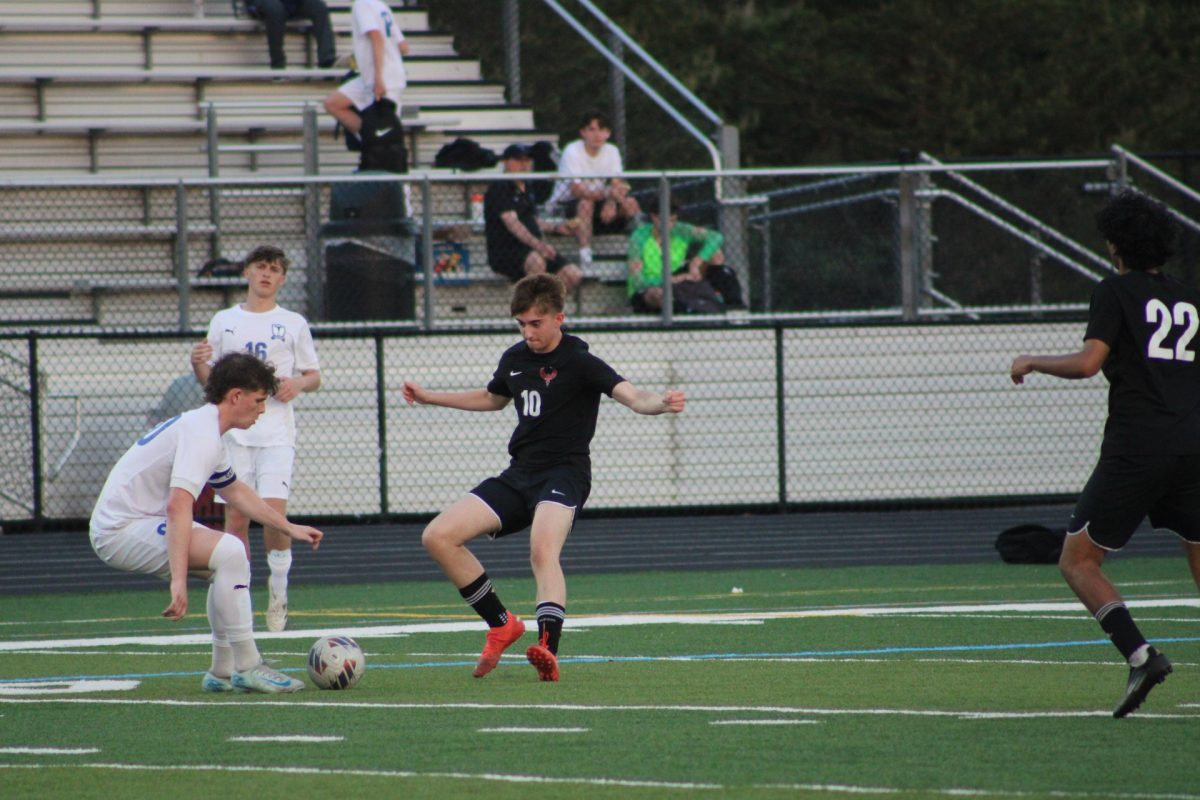




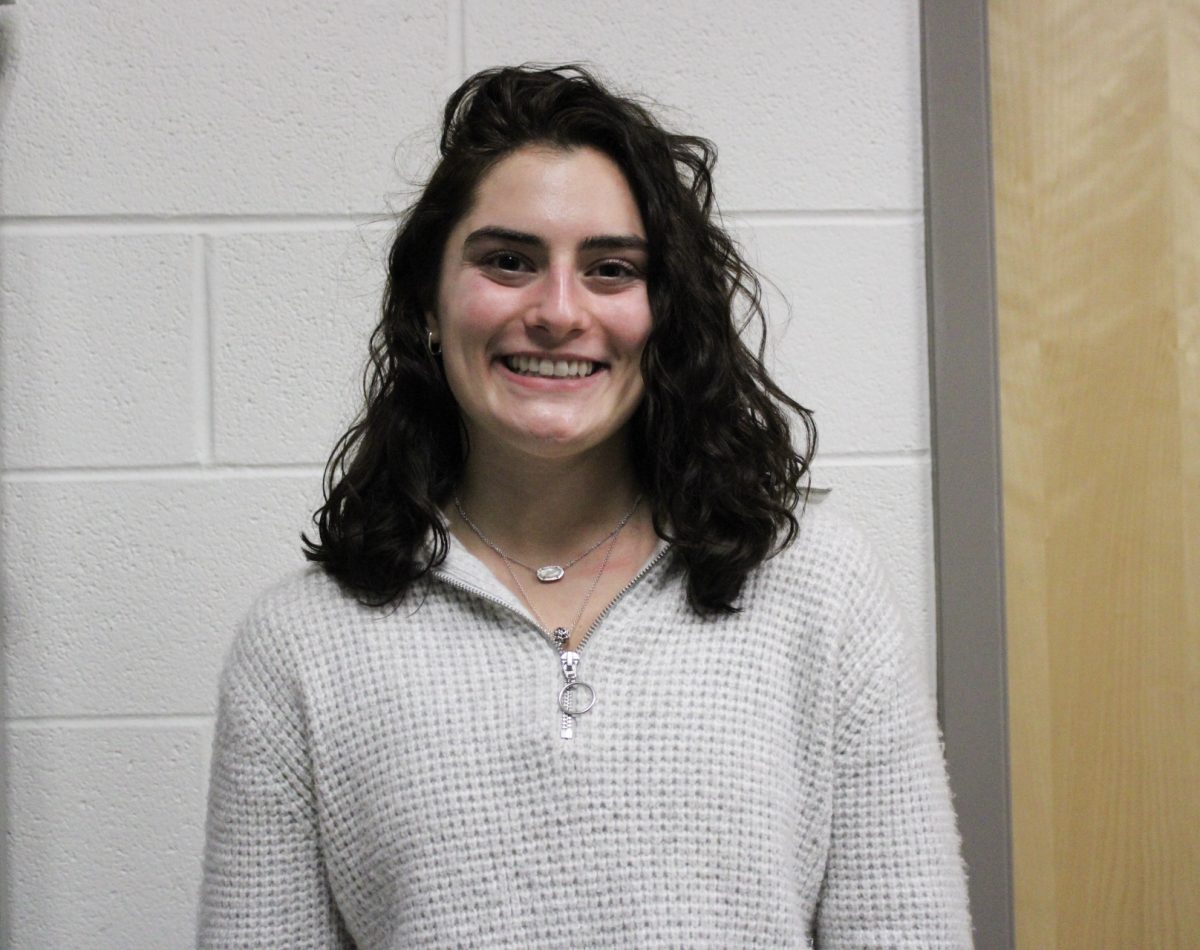


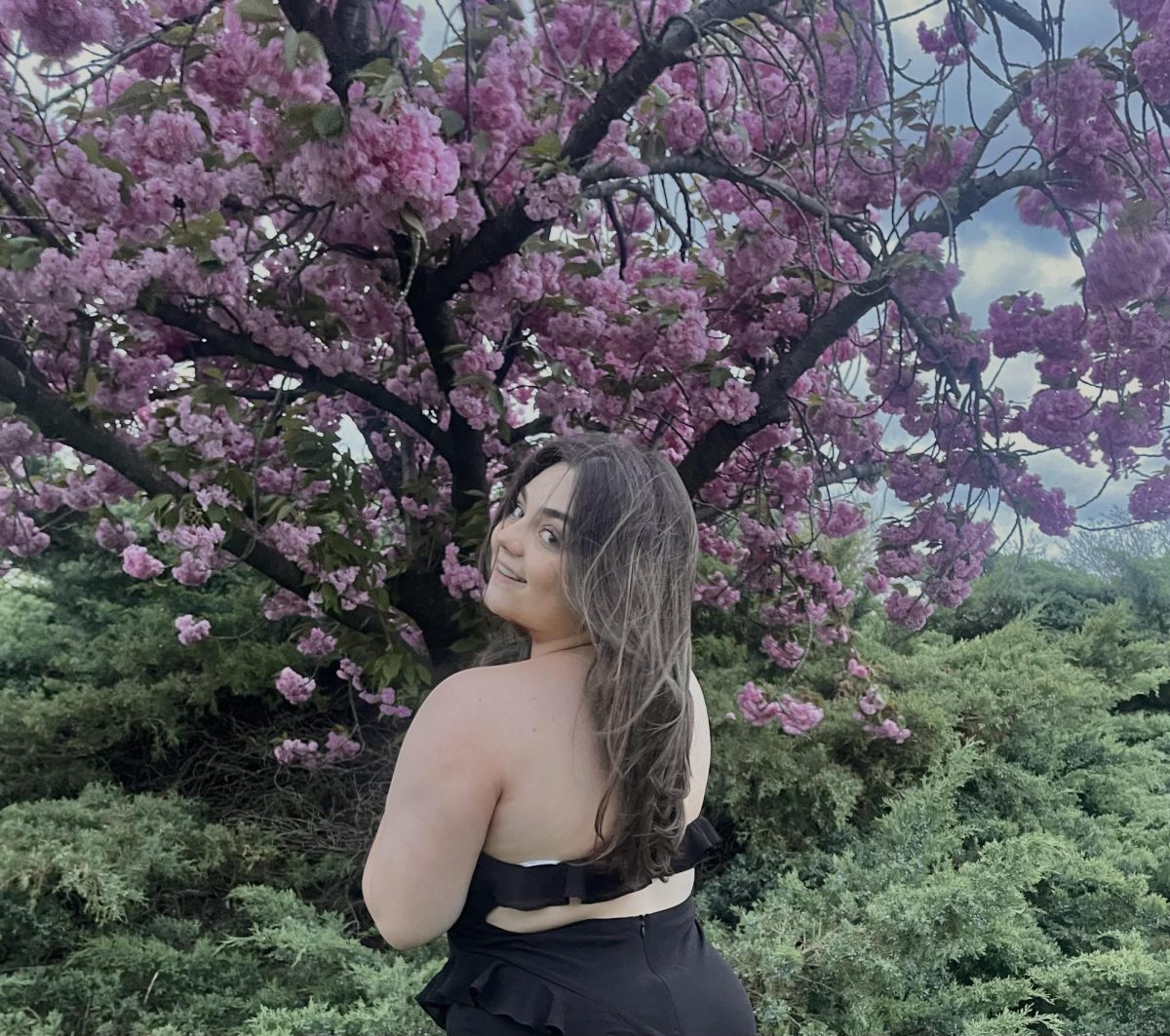










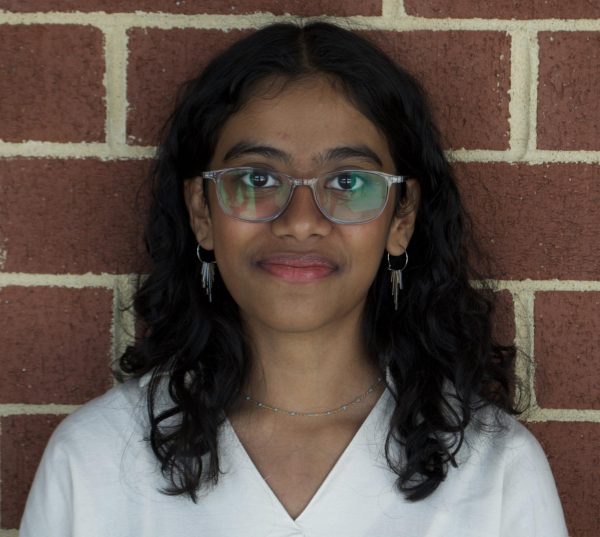
Freshman and JV girls soccer player Asna Rafi’s routine usually consists of the same things day to day: Eat. School. Sleep. Repeat.
But as spring sports begin, so does allergy season. Now, her schedule is filled with sniffles, sneezes, and a constant need for tissues, from the moment she wakes up until the moment she falls asleep – if she even can.
“My eyes get itchy and red really fast, [and] my face gets swollen,” Rafi said. “My whole body starts itching [as well as] my thighs, and I get really dry, flaky skin, especially on my face.”

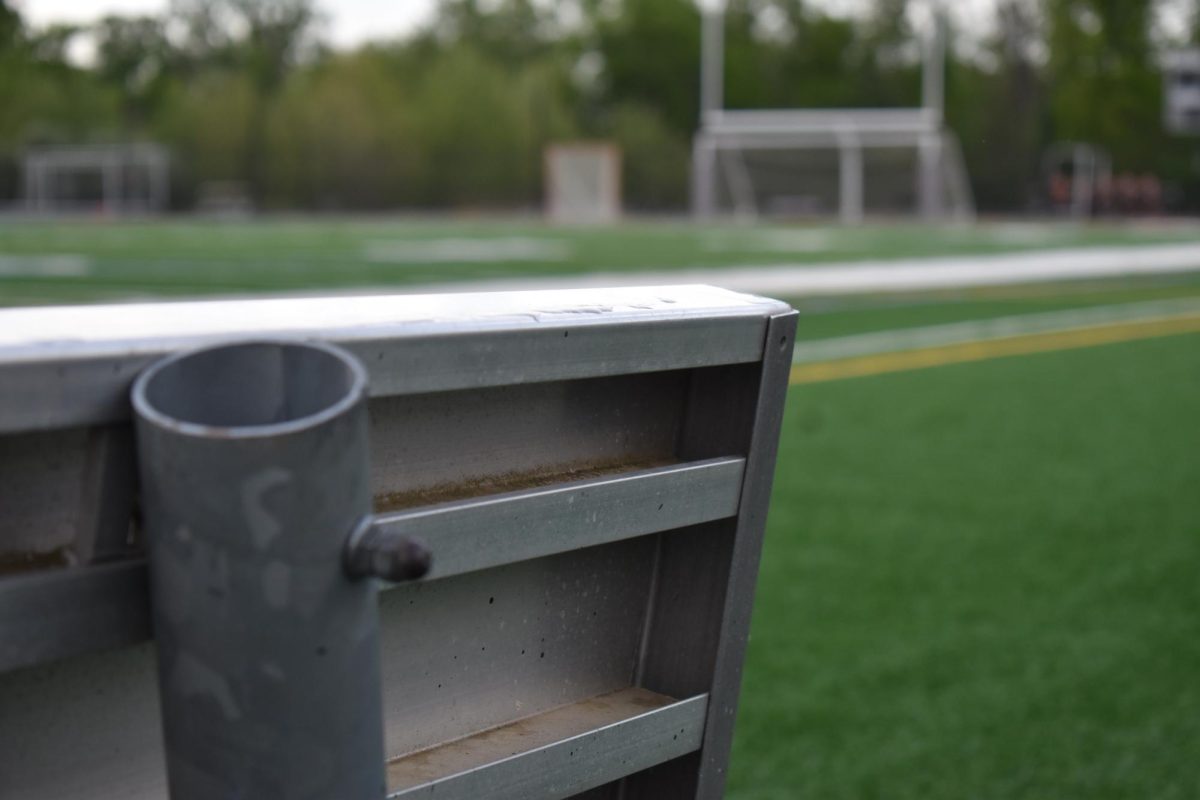
Rafi is one of the many student athletes at Rock Ridge who is feeling the effects of rising pollen levels across Loudoun. Over the past decade, tree pollen levels have been higher than the historical average in North America. What is usually a minor seasonal inconvenience for most students becomes a daily obstacle when training outdoors.
The major symptoms seen when competing outdoors happen because of an immune response. When pollen enters the body, the immune system treats the pollen as it would any other germ–as an invader. The pollen releases a histamine, or an allergen, and the body then reacts, causing irritation in the eyes, congestion, and clear mucus.
“What we’re seeing is warmer winters and an earlier onset of spring, and that sparks the plants to release their pollen earlier, but it can also be due to an increase in the carbon dioxide levels,” environmental science teacher Corine Hall-Day said. “The pair of those two things created this ugly pollen situation for us here in Loudoun County in particular.”
Longer growing seasons allow more time for plants to produce more pollen, as they need to for their species to survive. This increases overall pollen exposure, especially during the sports season. For student athletes, this exposure is inevitable.
There are three main sources of pollen that pollinate at different times, depending on the environment. Most of the time, they overlap each other, occurring from early spring to mid-fall. “From my understanding, most people have allergies toward tree pollen, weed pollen, and grass pollen; those tend to spark a response in the body,” Day said. “But that can be very dependent on the individual and the way their body deals with [the pollen] entering.”
When coming in contact with any pollen, the body tries to fight them by healing itself, which leads to reactions as severe as hives and fevers because there’s nothing for the body to actually heal.
“[My eyes] itch [and] my skin, and I’m just so distracted by it and how much it hurts,” sophomore girls’ soccer player Sheena Chekuri said. “My eyes have especially been really watery. I can feel tears rolling down my face.”
Managing symptoms means relying on antihistamines –or allergy medicine. Antihistamines prevent the pollen from interacting with H1 receptors in the bloodstream and airways. Antihistamines are generational, meaning different generations are better or worse for specific symptoms. Most generally bought are second-generation antihistamines because they cause less drowsiness in people compared to first-generation medicines like Benadryl.
While second-generation antihistamines cause significantly less drowsiness, they aren’t as powerful as first-generation medicines. “Claritin and Zyrtec are what everyone else is taking; those are the only ones that apparently help, but like, come on now,” Chekuri said.
Even with treatment, symptoms can still interfere with performance. Allergies that affect athletes can impact appetite, sleep, and mental health. “One time [it] was like 2:30, I woke up, and my body was itching so much,” Chekuri said. “I was just itching myself everywhere. I couldn’t fall asleep. I was literally crying myself to sleep; it hurt so much.”
Student athletes spending hours outside each day cannot avoid exposure. As a result, many students are forced to adapt their routines, such as changing or adding medications, hydrating more, or just pushing through the pain.
“I always take a shower afterwards, so I can wash off all the pollen allergies,” Rafi said. “If my face is swollen, I always try to put ice in the morning. If my eyes are itchy, I try to take eye drops and stuff.”
As pollen levels continue to rise, athletes are learning how to compete not only within their sport, but against an invisible opponent. One that shows up every spring.